The dollar bin is the last real casino in music. No algorithms, no previews — just you, your knowledge, and a thousand sleeves of possibility. Every classic break, every sample that built hip-hop, was once a record somebody passed over. Here's how to dig like you mean it.
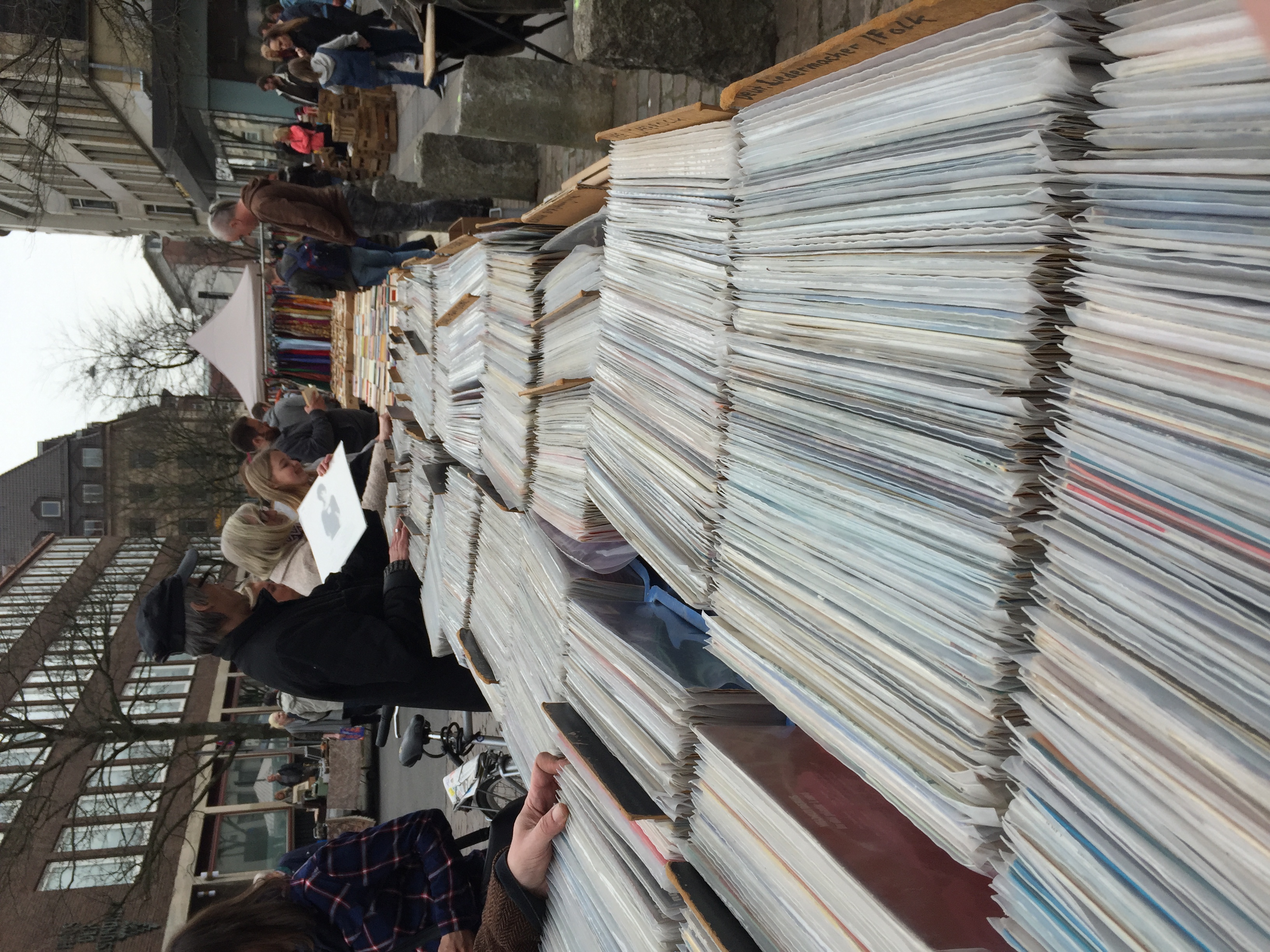
Go often, go early
Stock rotates constantly. The digger who shows up every week eats; the digger who shows up once a month gets leftovers. Hit thrift stores, flea markets, and estate sales early — the good stuff goes in the first hour. Make a route and run it like a gig schedule.
Flip everything
Never judge a record by its cover — some of the greatest breaks hide behind the corniest jackets. Flip every record in the bin, front to back. Check the label, the track listing, the producer credits. A name you recognize on the back of a record you've never heard of is a signal worth following.
Learn your labels and eras
Certain labels are quality filters: funk and soul imprints, jazz labels, library music houses, gospel labels, old soundtracks. Learn which ones pressed heat in which eras and you'll spot winners from three feet away. The late sixties through the mid-seventies is especially rich — that's where the drums live.
Dig adjacent genres
Hip-hop was built on records that weren't hip-hop: funk, soul, jazz, rock, disco, reggae, gospel, soundtracks, even comedy and children's records. The break you're looking for doesn't care what section it's filed under. Widen your net and your sound gets wider too.
Watch Djaytiger break this down: Crates, Grooves & Remixes — a full session built on dug-up wax.
Use your phone, but trust your gut
Checking values online keeps you from overpaying — but don't let it stop you from buying a record you'll actually play. A five-dollar record with the perfect drum break is worth more to a DJ than a fifty-dollar collectible you'll never cue up. Buy for the set, not the shelf.
Work the room
Befriend the shop owners and the regulars. Tell them what you're looking for — the best records often change hands before they ever hit the bins. Ask about back stock, unpriced boxes, and the stuff in the back. Be respectful, don't cherry-pick from another digger's pull pile, and put back what you flip through neatly. Digging karma is real.
The smell test is real
Musty, mildewy records can contaminate your whole shelf — mold spreads. If a record smells like a damp basement, inspect it hard or walk away. And always check the vinyl before you buy: hold it to the light, check for warps, and remember that a dollar record that skips is still a dollar wasted.
Every legend started in the dollar bins. The heat is still out there — it's just waiting for the digger willing to flip for it.
 Reviewed by Fullblastradio
on
3:28 PM
Rating:
Reviewed by Fullblastradio
on
3:28 PM
Rating: