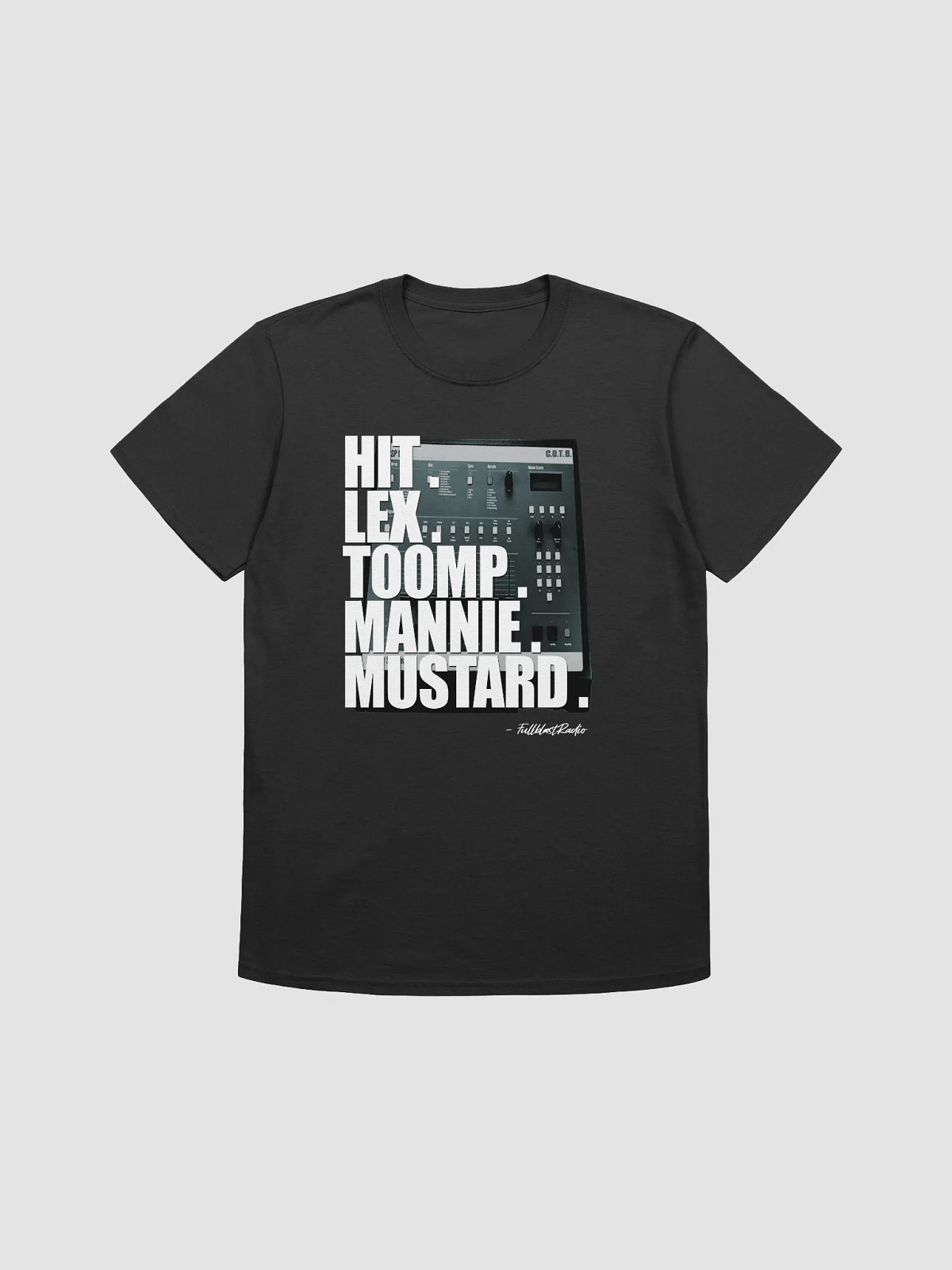
Hip-hop was built on other people's records. Before there were plugin packs and loop libraries, there were producers hunched over turntables, lifting drum breaks off dusty vinyl and flipping them into something brand new. Sampling and digging aren't just production techniques — they're a culture, a craft, and for many of us, a way of life.
Know the Canon
Every digger should know the foundational breaks by heart: the Amen break, the Funky Drummer, Apache, Synthetic Substitution, and the Skull Snaps drums. Study them not to copy them, but to train your ear. Once you know what a great break sounds like, you'll start hearing them everywhere — in the last thirty seconds of a forgotten funk B-side, in the intro of a gospel record, in a library music LP nobody else bothered to flip past.
Where to Dig
The dollar bins are the university. Thrift stores, estate sales, flea markets, and church rummage sales are where the real education happens. Gospel, soul, jazz, funk, rock, soundtracks, and private-press records all hide breaks. Don't sleep on the weird stuff — some of the hardest drums ever sampled came off records that sold a few hundred copies and vanished.

How to Listen
Dig with a system. Headphones on, drop the needle, and listen for open drums: sections where the band drops out and it's just the kit. Count the bars — a clean two or four-bar break with no talking, horns, or bass over it is gold. Worn vinyl is fine for digging as long as you can hear the groove; you can always hunt a cleaner copy later once you know the record is worth it.
The Modern Digger's Toolkit
A portable turntable or a phone with a recording app turns every record shop into a research lab. Record your finds, log the label and catalog number, and do your homework at home before you spend. And develop Shazam discipline: use it to identify records, not to replace your ears.
Digging Etiquette
Respect the bins. Don't hog the good section for two hours while others wait, don't pull every record out and leave them in a pile, and don't broadcast the $200 record you just found for a buck. The digging community is small and memories are long.
Watch Djaytiger break this down:
One last word: learn the basics of sample clearance before you release anything. Chopping breaks for practice is one thing; putting them out into the world is another. Dig deep, chop hard, and give the originals their flowers.
 Reviewed by Fullblastradio
on
3:15 PM
Rating:
Reviewed by Fullblastradio
on
3:15 PM
Rating: