Before streaming, before the playlist, before the DJ could carry ten thousand songs in a pocket, there was a format that changed how dance music was made, played and shared: the 12-inch single. It was bigger, louder and longer than a 7-inch, and it was built, quite literally, for DJs. Without it, club culture as we know it would not exist.
Why bigger grooves meant bigger sound
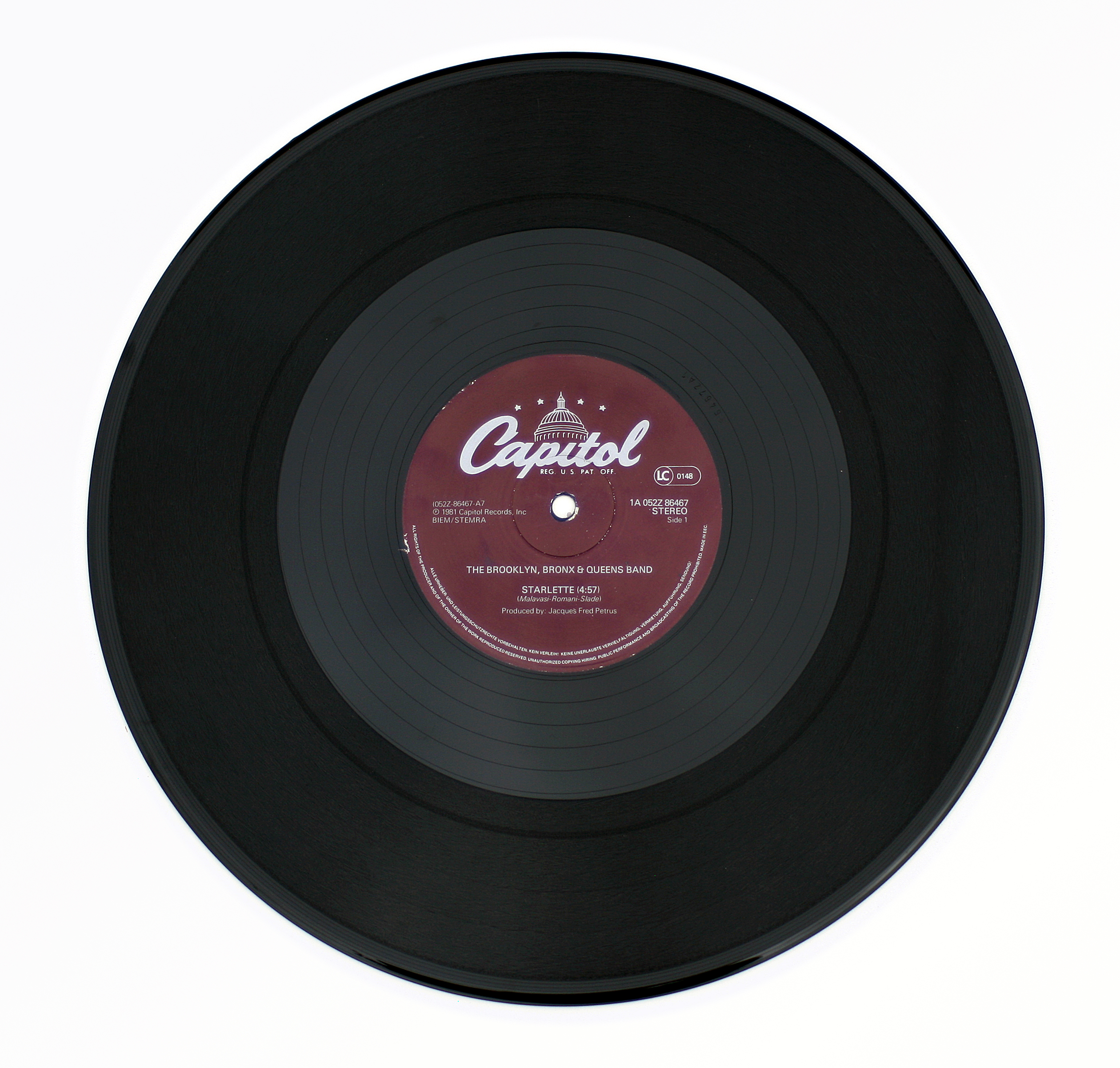
A 12-inch record spins at 33 or 45 rpm with much wider grooves than a 7-inch single. That space matters. Wider grooves mean louder playback, deeper bass and more room for a long version of a song. A DJ could play a track at club volume without the sound falling apart, and could keep a groove rolling for six, eight or ten minutes instead of three. For a dancefloor, that extra length was not a luxury. It was the difference between a song that ended just as the crowd got moving and a track that built, broke down and rebuilt, giving the DJ time to work.
The remix was born for the 12-inch
The 12-inch single also gave remixers a canvas. The format was made for extended versions, dub versions, instrumentals and acapellas, often all on the same record. A DJ could drop the vocal, ride the dub, cut in the acapella, and build a live edit that no radio version allowed. Producers learned to make music with the club in mind: longer intros for mixing, breakdowns for drama, and instrumental passages that invited scratching and blending. The remix stopped being an afterthought and became a creative act in its own right, with its own stars, labels and dancefloor reputation.
Watch Djaytiger break this down:
A format that built scenes, not just songs
Because 12-inch singles were aimed at DJs and clubs, they travelled differently from albums. A white-label pressing, a promo-only remix or an import 12-inch could break a record in a club weeks before radio caught on. DJs became tastemakers by finding the right pressing, and record shops became meeting places where dancers, producers and collectors traded tips. Disco, house, hip-hop and garage all grew through this network. The 12-inch was not just a product. It was a distribution system for underground culture, one record shop and one DJ booth at a time.
Why collectors still hunt them
Today, original 12-inch singles are prized for the same reasons DJs loved them then: the sound, the versions and the history. A 12-inch often contains a mix that never made it to streaming, or a dub that only exists on that pressing. The larger sleeve is also a piece of design history, with artwork, label credits and remixer names that tell the story of a scene. For a DJ, playing a 12-inch is still a statement. It says you dug for the version, you know why it matters, and you are not just pressing play on the same file everyone else has. Learn more about the format in the twelve-inch single guide on Wikipedia.
The 12-inch single did not just carry club music. It shaped it, stretching songs to dancefloor length, giving remixers room to invent, and turning DJs into the people who decided what a city danced to. Streaming may have replaced the format for convenience, but it has never replaced what the 12-inch represented: music made to be played loud, long and live. For more DJ culture, remixes and live sets, follow Djaytiger on YouTube and visit Dont Sweat The Technics.
 Reviewed by Fullblastradio
on
3:16 PM
Rating: