31 Days of DJs — Day 25
Ask a working DJ when the DJ became a producer and you will get an argument, not an answer. The turntable DJs will tell you the DJ was already a producer the night Kool Herc looped a break with two copies of the same record — cutting, extending, rearranging a song live in the room, with nothing but hands on vinyl. The studio heads will tell you the DJ only became a producer in 1988, when a grey box with sixteen rubber pads let one person chop a record, sequence it and press it without ever booking a studio. Both sides are right. The turntable invented the job. The Akai MPC let the DJ take it home.
The box arrived in 1988, built by Akai Professional with Roger Linn — the engineer behind the LM-1 and the LinnDrum. The MPC60 cost $5,000, and what you got for the money was a sampler, a sequencer and a drum machine in a single portable box: twelve-bit sampling at 40 kilohertz, about thirteen seconds of total sample time, and a grid of sixteen velocity-sensitive pads you could play with your fingers like an instrument. Feed it a record, chop the break, assign each slice to a pad, and you were playing the drums yourself. No studio, no session players, no engineer standing between you and the sound.
It landed in the middle of a rivalry every working DJ of the era remembers. The E-mu SP-1200 had arrived the year before with eight pads and ten seconds of memory, and it had the dirtier sound — the twelve-bit crunch that defined golden-age hip-hop. The MPC60 answered with more of everything: twice the pads, more sample time, a deeper sequencer, and a workflow built for a DJ's hands. The SP-1200 stayed the connoisseur's box. The MPC became the industry's. If you had cut your teeth looping breaks on two turntables, the MPC felt familiar the first time you touched it — same crates, same ear, same chop, just with a save button.
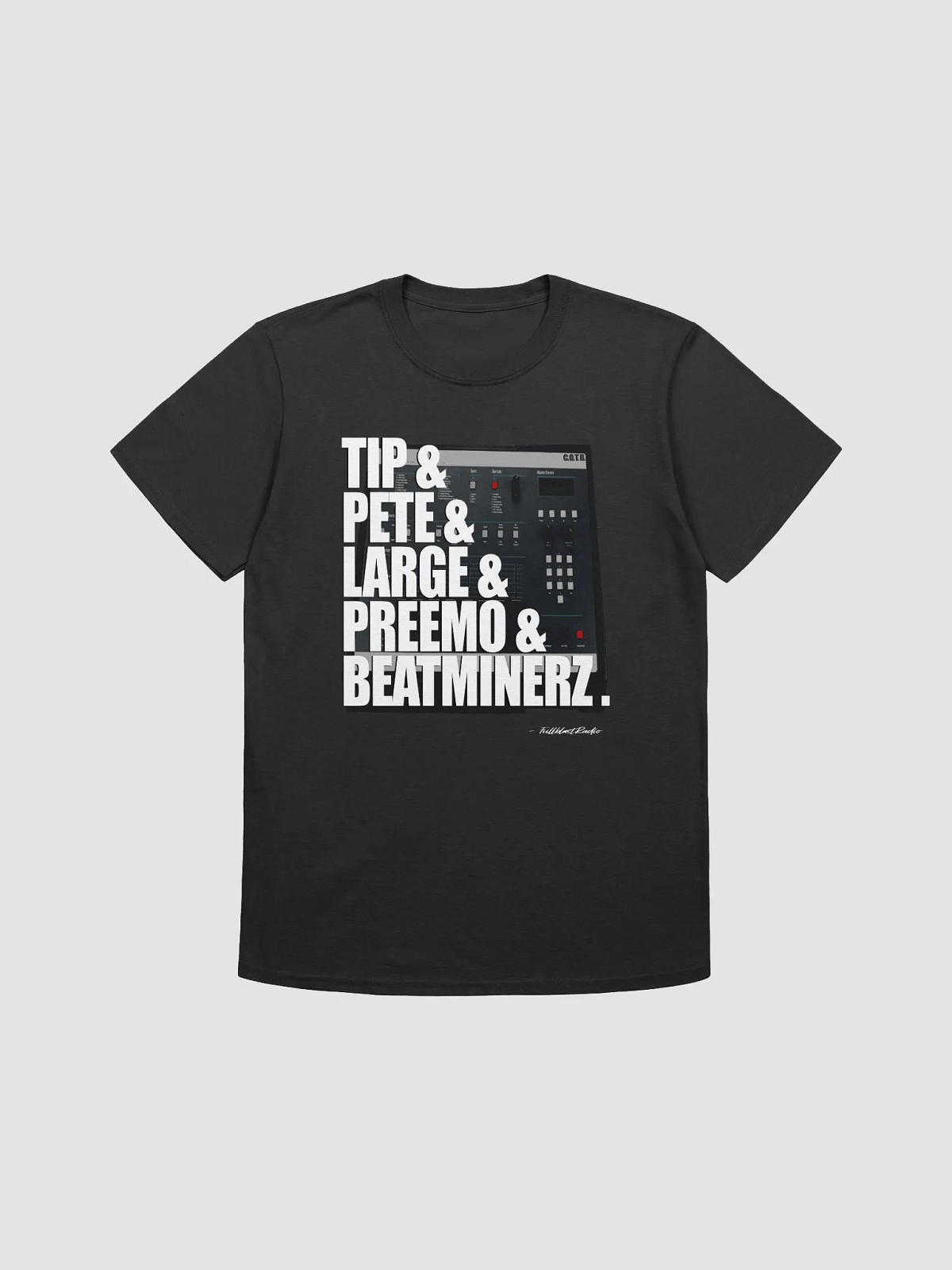
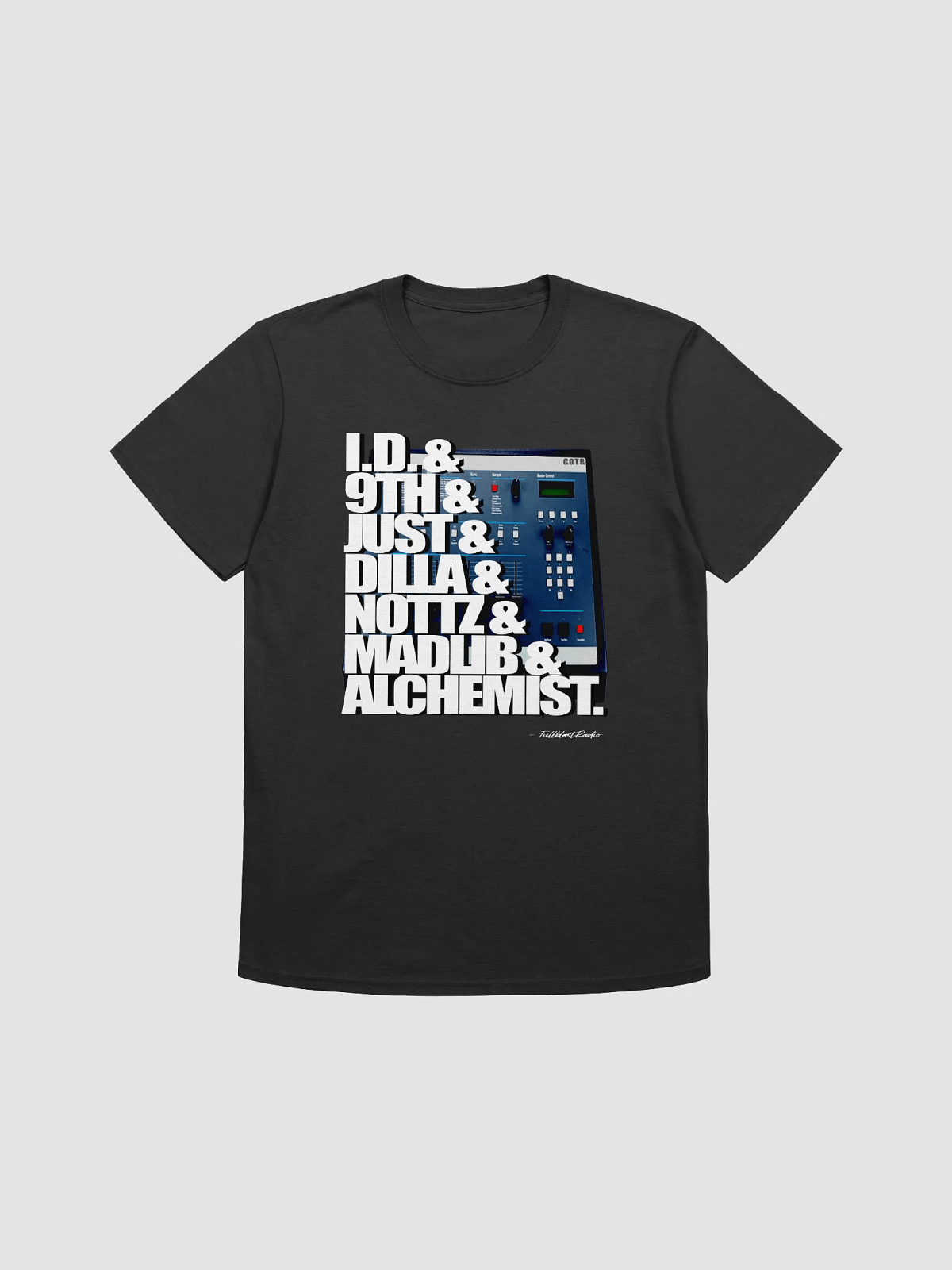
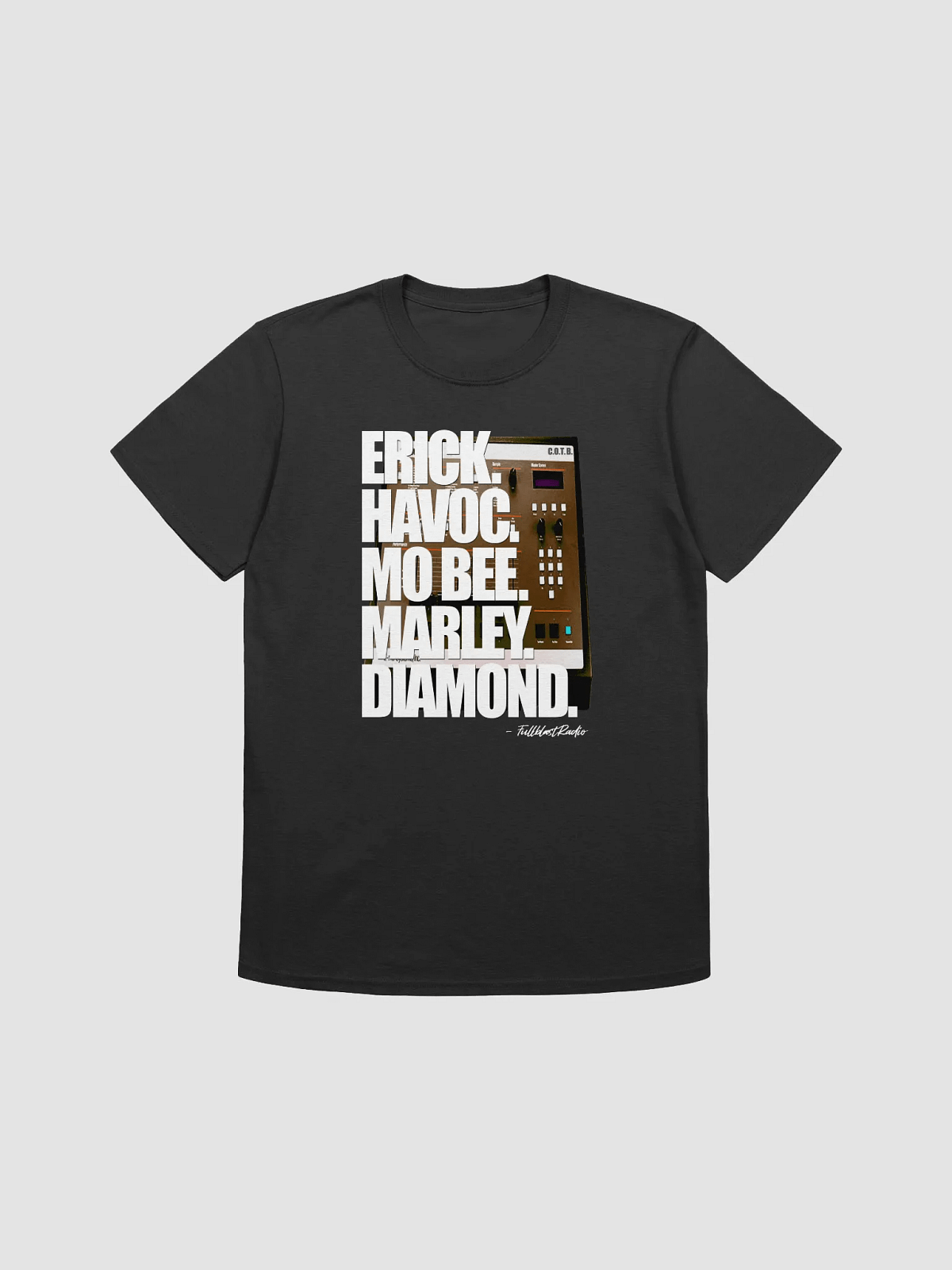
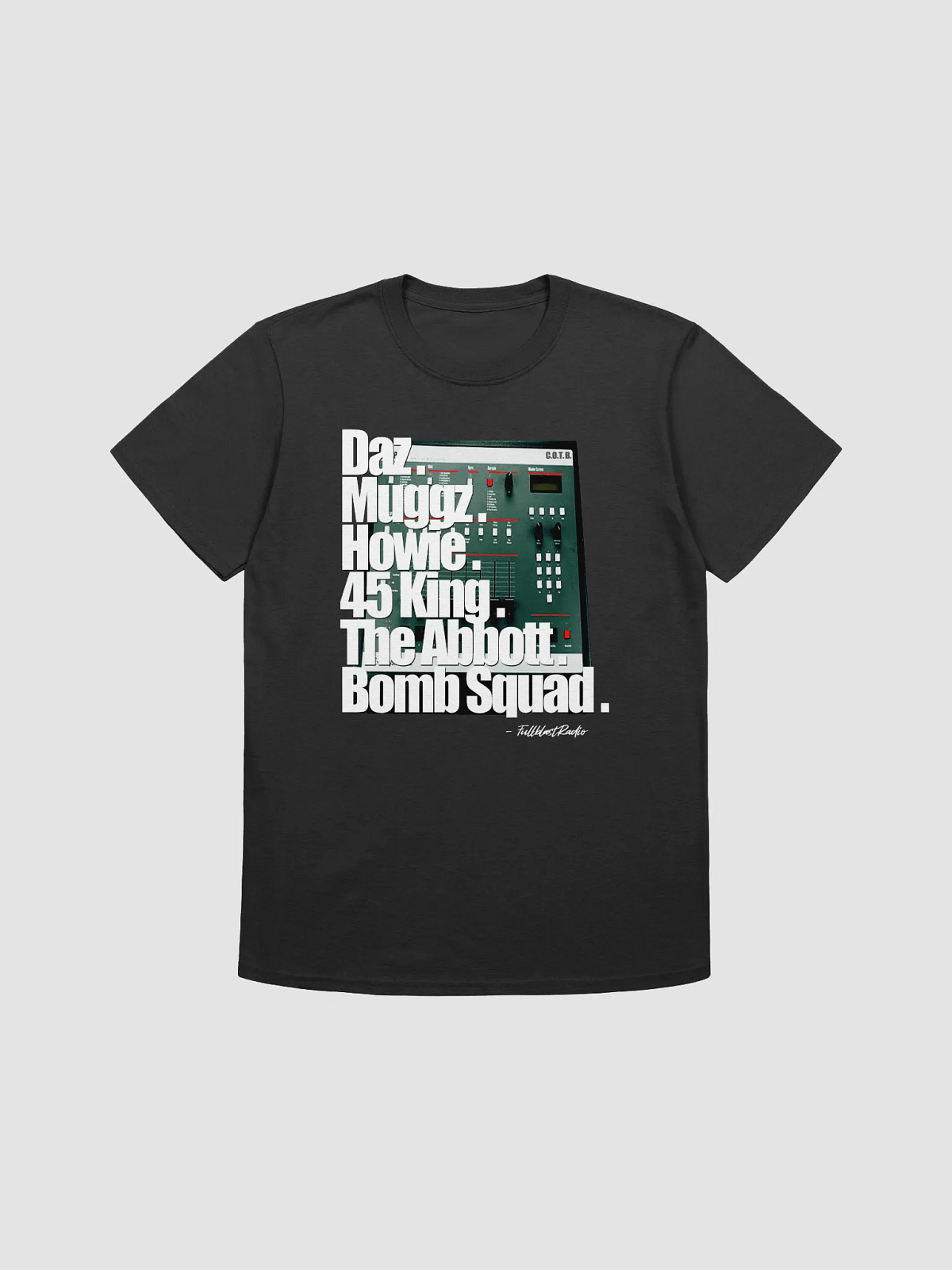
The line kept evolving, and each model marked an era. The MPC60II followed in 1991. The MPC3000 arrived in 1994 with sixteen-bit sampling at 44.1 kilohertz, thirty-two voices, built-in effects and a resonant filter — and it was the last MPC Roger Linn himself designed. It is the one the history books remember: J Dilla's MPC3000 now sits in the Smithsonian's National Museum of African American History and Culture, inducted after his death in 2006. Akai carried on without Linn with the MPC2000 in 1997, then the MPC2000XL in 1999 — the machine in the photograph above, with its tilt screen, time-stretch and resampling, and the most popular MPC Akai ever made. It put the studio in a box a working DJ could actually afford.
And the records it made are the canon. DJ Premier built the Gang Starr sound on the MPC60, chopping jazz and soul into drums that hit like a closing door. Pete Rock came up on the SP-1200 and carried the same ear to the MPC. RZA built the early Wu-Tang sound on one. J Dilla turned the MPC3000 into an instrument of his own — off-kilter, human, swinging in a way no grid could explain. That is the part the spec sheet never tells you: the pads made the producer play. You did not program the MPC so much as perform it, and the records sounded like it — loose, alive, unmistakably hand-made.
Watch Djaytiger break this down:
Here is the working DJ's takeaway. The MPC never killed the turntable, and it was never supposed to. The DJ still cuts in the booth — two decks, hands on the record, reading the room. The MPC just gave that same DJ a second instrument for the studio, one that worked the way a DJ already thought: find the break, chop it, play it back with your hands. Djaytiger works the same way today: his THESE ARE THE BREAKS series is built on the same idea the MPC proved in 1988 — the break is the raw material, and the DJ is the one who knows what to do with it. The turntable made the DJ a performer. The MPC made the DJ a producer. The crates never changed.
A Timeline of Akai MPCs — Reverb
A History of the Akai Professional MPC — Guitar Center
Day 24 in this series — The SP-1200: The Machine That Changed Hip-Hop Production
Day 22 in this series — The History of the Breakbeat
📺 Watch Djaytiger on YouTube
youtube.com/@djaytiger — new mixes, remixes and live shows
 Reviewed by Fullblastradio
on
2:39 PM
Rating: