31 Days of DJs — Day 15. Play the first four seconds of "They Reminisce Over You (T.R.O.Y.)" in any room full of DJs and watch what happens. Heads turn. Somebody points at the speaker. That horn — warm, sad, and instantly familiar — is the sound of Pete Rock, and it is the sound of a DJ who heard soul records differently than everybody else. Where other producers heard a loop, Pete Rock heard a feeling, and he built an entire era of hip-hop out of it.
Peter O. Phillips was born June 21, 1970, in the Bronx, the fourth of five children of Jamaican immigrant parents, Leighton and Eda Phillips. The family moved to Mount Vernon, New York, when he was seven. His father was a DJ, and Pete grew up inside his father's record crates — jazz, soul, funk, and reggae, the raw material of everything he would later make. His cousin was Heavy D, already on his way to stardom, and young Pete was around the music before he could legally get into the clubs. At 17 he got his hands on an E-mu SP-1200 — the sampler Freddie Foxx gave him — and started learning to make beats, studying at the feet of Marley Marl at WBLS radio. He met his future partner, C.L. Smooth, in high school in Mount Vernon. Two kids from the same neighborhood, bonded over the same records.
Their first steps came fast. Pete co-produced tracks on Heavy D & the Boyz' Big Tyme in 1989, then he and C.L. Smooth signed to Elektra and dropped the All Souled Out EP in 1991. The debut album, Mecca and the Soul Brother, landed in June 1992, and it changed what a hip-hop record could sound like. Pete's beats were built from obscure soul and jazz records — horns stacked over drums layered from Mountain's "Long Red" break — and nearly every track opened and closed with a little intro or outro beat, like a DJ blending records in and out. Cannonball Adderley's "Country Preacher" became the backbone of "Return of the Mecca." The whole album felt like a set, not a collection of songs.
Then came the single that made him immortal. "They Reminisce Over You (T.R.O.Y.)," released April 2, 1992, was a tribute to their friend Troy "Trouble T-Roy" Dixon, a dancer with Heavy D & the Boyz who died in a fall on tour in Indianapolis in 1990, at just 22 years old. Pete built the beat around the horns of Tom Scott's cover of Jefferson Airplane's "Today," and C.L. Smooth turned it into a song about family, memory, and a friend who believed in him when nobody else did. It hit number 58 on the Billboard Hot 100 and number one on the Hot Rap Tracks chart, and three decades later it is still one of the most beloved records in hip-hop — proof that a beat made from grief, played with love, outlasts every trend. The same Tom Scott sample turned up again that same year on Mary J. Blige's "Reminisce," from her debut What's the 411? — Pete's sound was already spreading beyond his own records.
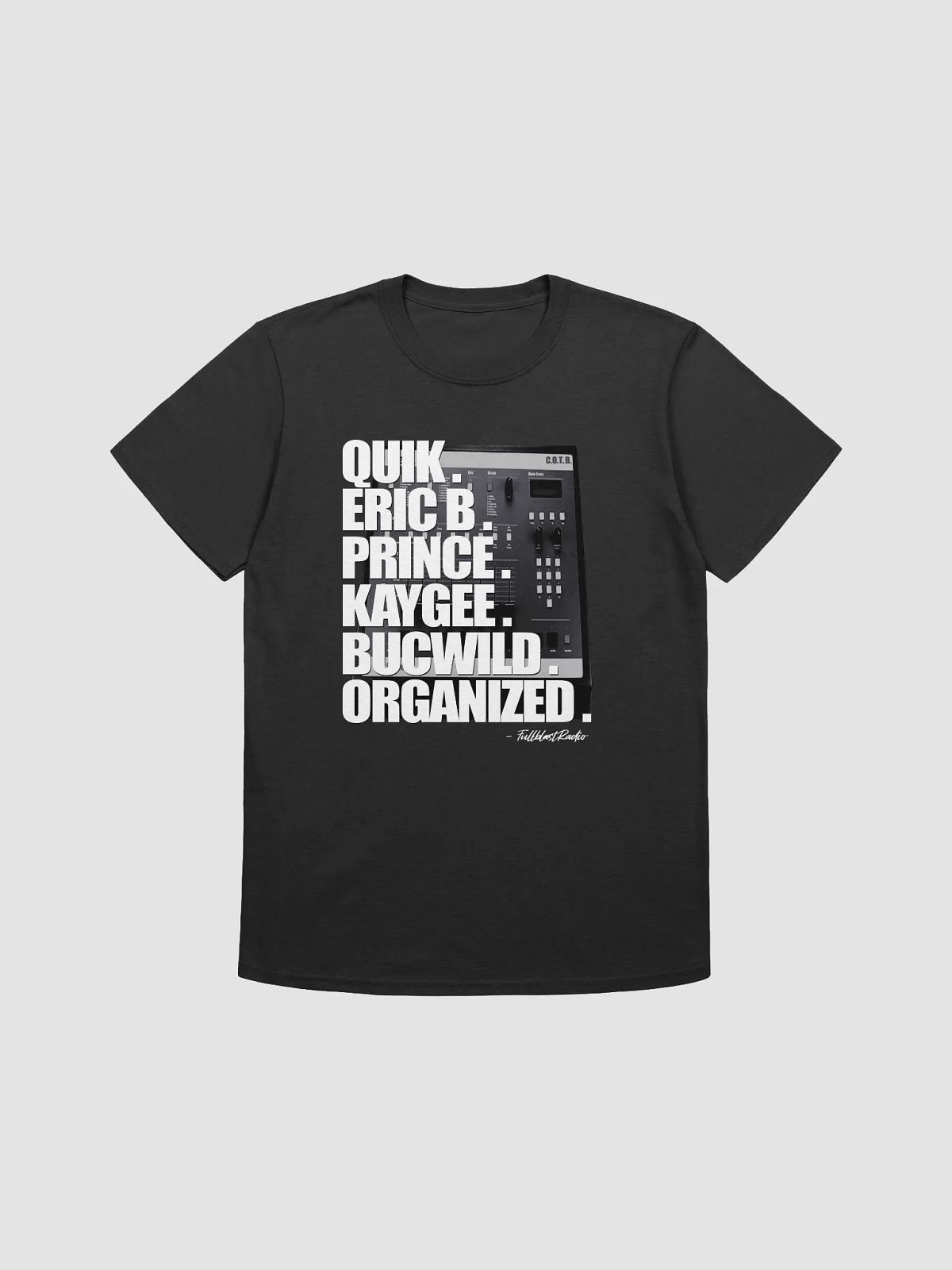
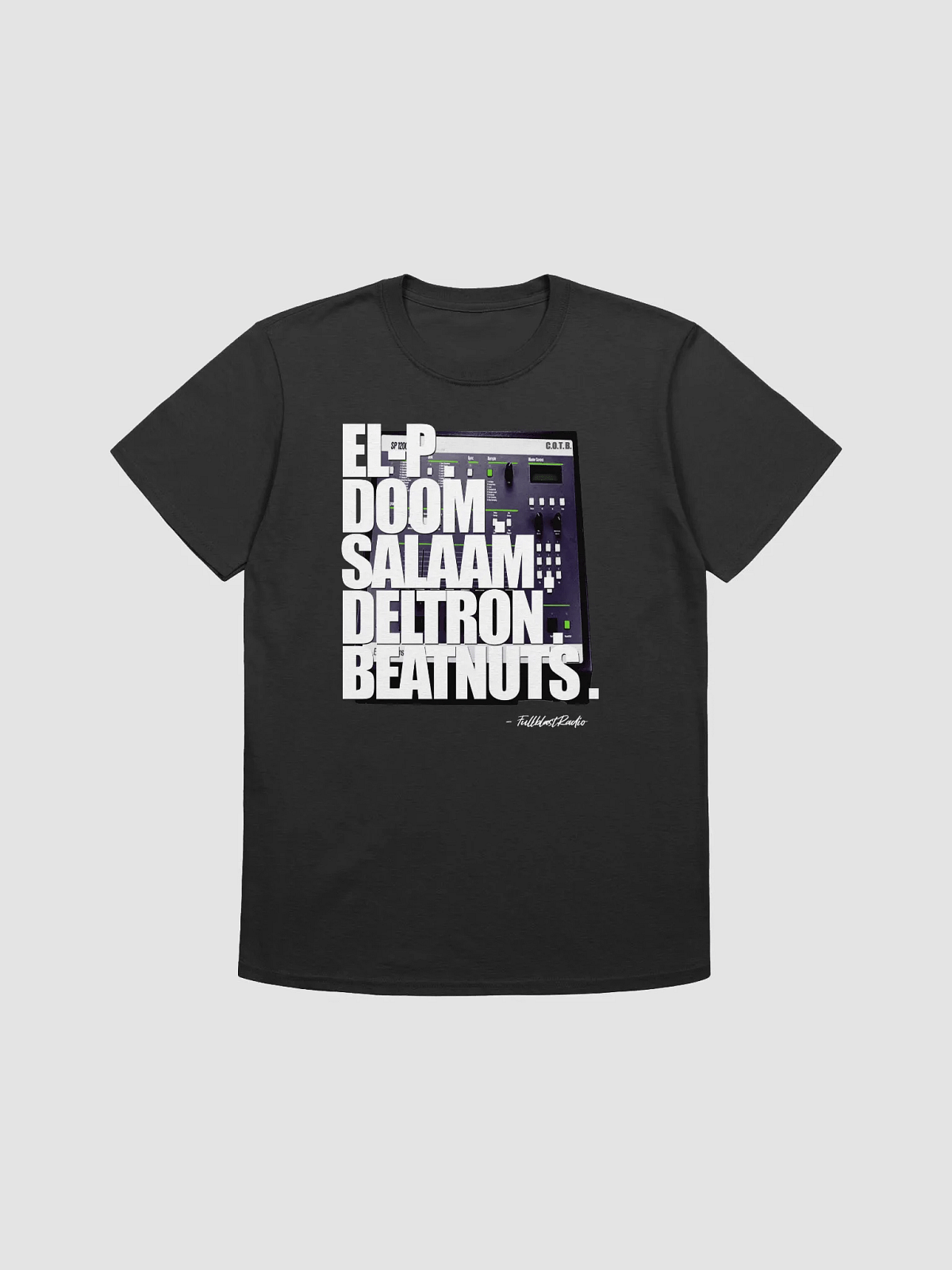
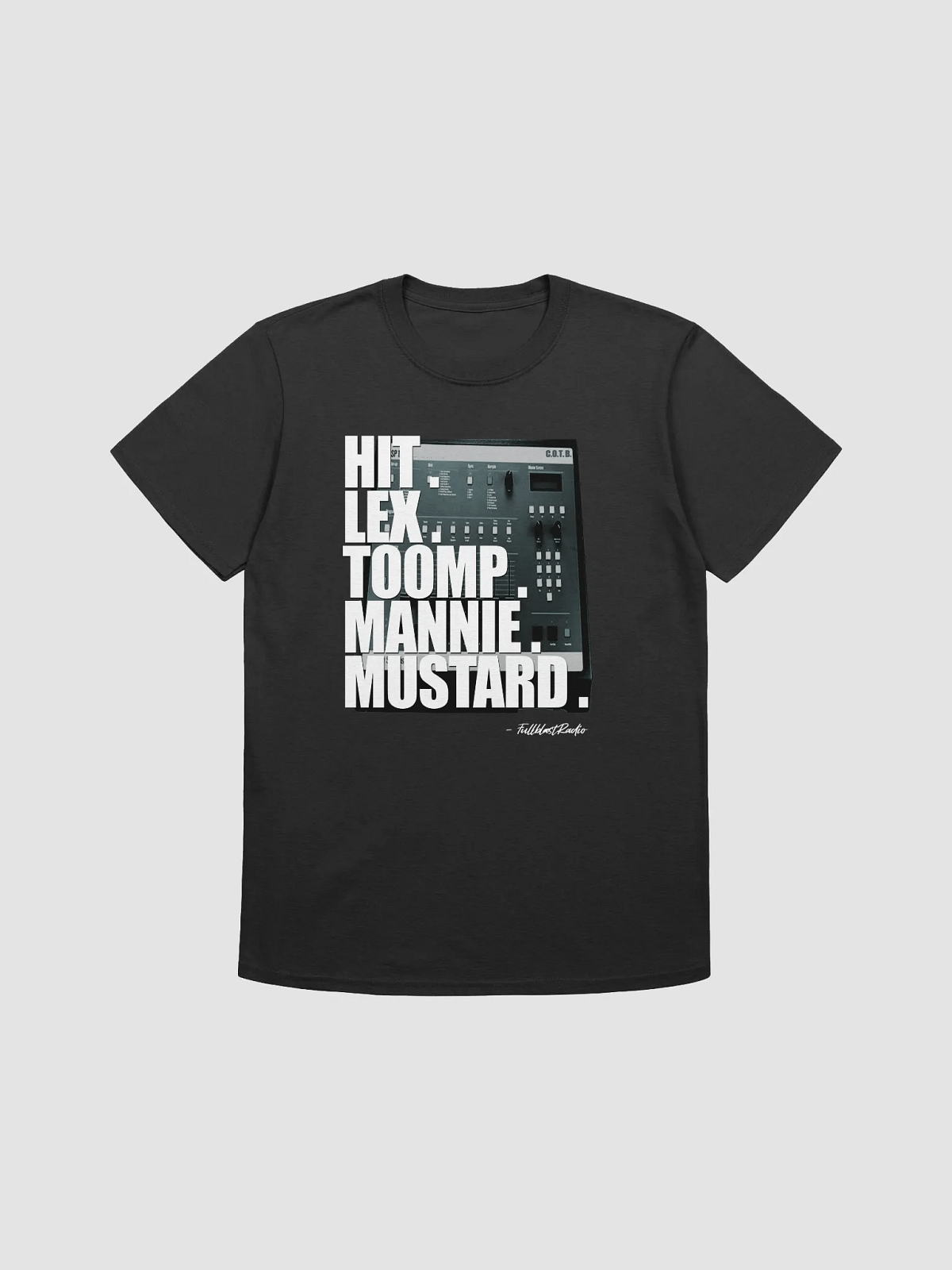
The gear mattered, and Pete Rock is the DJ who proved it. His weapon was the E-mu SP-1200 paired with the Akai S950 sampler — a combination that gave his records their gritty, warm, slightly dusty sound. The SP-1200 only held about ten seconds of sample time, so every chop had to count. Pete made that limitation into a style: short, perfect fragments of horns and voices, stacked and swung so the beat breathed like a live band. He made every one of his productions on the SP-1200 until 2003, when he finally moved to the Akai MPC2000XL. That is why his name is attached to the machine the way Dilla's is attached to the MPC 3000. They called him Soul Brother Number One, and the Chocolate Boy Wonder, and both names fit — he was the DJ who made soul samples sound like hip-hop and hip-hop sound like soul.
The duo's second album, The Main Ingredient, came in 1994, and then Pete and C.L. went their separate ways. But Pete never stopped. His solo debut Soul Survivor arrived in 1998, followed by the PETEstrumentals series and Return of the SP1200 in 2019 — a love letter to the machine that made him, released on vinyl for Record Store Day. And in 2024, more than thirty years after Mecca, he made one of the best albums of his career: The Auditorium, Vol. 1, a full collaboration with Common, released July 12, 2024, on Loma Vista and nominated for a Grammy for Best Rap Album. He and Common first linked in 1996 on "The Bitch in Yoo," and the new record sounds like two old friends finishing a conversation they started in the nineties — horns, drums, and a DJ's ear, unchanged.
Here is what working DJs should take from Pete Rock. He never chased the newest machine or the loudest sound. He dug deeper than everybody else, found the feeling inside a record, and trusted the sample to carry the emotion. The SP-1200's ten-second limit didn't hold him back — it made him choose. Every DJ with a crate of records and a sampler has the same tools Pete Rock had. What he had that can't be bought is the ear: the ability to hear a horn line in a forgotten jazz record and know it could make a whole room remember somebody they loved.
That is the Pete Rock story. Tomorrow, Day 16: Q-Tip and A Tribe Called Quest — the DJ-producer approach to sampling.
SOURCES
- Wikipedia — Pete Rock
- AllMusic — Pete Rock biography
- Wikipedia — "They Reminisce Over You (T.R.O.Y.)"
- RouteNote Create — Producer Profile: Pete Rock
- Okayplayer — Common's New LP With Pete Rock
📺 Watch Djaytiger on YouTube
youtube.com/@djaytiger — new mixes, remixes and live shows
 Reviewed by Fullblastradio
on
2:34 PM
Rating: