Why working DJs buy doubles: juggling two copies of the same record and what it teaches about timing
Walk into any serious DJ's record room and you will spot them: two copies of the same record, filed side by side like twins. A newcomer asks the obvious question — why would anyone buy the same record twice? A working DJ smiles, because the answer is the whole history of turntablism in one habit. Doubles are not a collection quirk. They are a tool, a safety net, and a school for timing all in one sleeve.
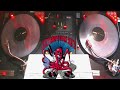
The original reason for doubles was the break. Put the same breakbeat record on both decks, and you can extend a ten-second drum break into a ten-minute groove: play the break on deck one, cue the same break on deck two, and drop it the instant the first one ends. Keep swapping back and forth and the break never stops. That is how the earliest hip-hop DJs built entire parties out of a few seconds of drums — Grandmaster Flash, Kool Herc, and the Bronx pioneers turned two copies of one record into a whole new instrument. What started as a workaround became a style: beat juggling, where the DJ chops, stutters, and rearranges a beat live, using both copies like a drum machine made of vinyl.

What doubles teach you about timing
Nothing exposes your timing like two copies of the same record. There is nowhere to hide. If you drop the second copy a hair late, the drums flam and the whole room hears it. If you are early, the groove stumbles. Juggling doubles trains your ear the way scales train a musician: the same phrase, over and over, until your hands know exactly when the one is coming. You learn to count bars in your sleep, to hear a break coming four beats before it arrives, and to release a record with confidence instead of hope.
Doubles also teach you the difference between keeping time and making time. A juggle is not just repetition — it is arrangement. Shorten the break one time through, let it run long the next, drop a vocal stab from the intro over the drums, then bring the break back. You are composing with a record you already own, and the only limit is how cleanly you can land the drop. That discipline shows up everywhere else in your sets: your blends get tighter, your drops get braver, and your mistakes get smaller.
The practical side: insurance and the hunt
There is a less romantic reason working DJs buy doubles, and it matters just as much. Records get scratched, warped, and worn — and if your set depends on one copy of a tune, one bad skip can end your night. A second copy is insurance. It also means you can play a tune twice in a night without rewinding the same record, or lend a copy to a fellow DJ without losing your own. In the crates, doubles are a badge: they say you play this record for real, not just once in a while.
Start small. Pick one record with a clean, open break — something with drums you love — and buy a second copy. Practice the handoff: break on deck one, same break on deck two, back and forth for five minutes. Then try cutting the break in half, then in quarters. It will be messy at first, and that is the point. Messy is how timing gets built.
Watch Djaytiger break this down:
Doubles are a commitment to the craft. They cost money, they take up crate space, and they demand practice. But they pay it back every time you hold a break open for one more round, or catch a juggle so clean the crowd looks at the decks instead of the dancefloor. Two copies of the same record, and a DJ who knows what to do with both — that is not duplication. That is the whole job, doubled.
 Reviewed by Fullblastradio
on
3:09 PM
Rating: